


Want to protect your hair extensions? Start with your shampoo. Many shampoos contain ingredients that can dry out, weaken, or even damage your extensions. Since extensions don’t get natural oils from your scalp, the wrong products can leave them brittle, tangled, or falling out. Here’s what to avoid:
- Sulfates (SLS, SLES): Strips moisture, causes tangling, and weakens bonds.
- Drying Alcohols (e.g., Isopropyl Alcohol): Dehydrates and damages hair.
- Formaldehyde Releasers (DMDM Hydantoin, Quaternium-15): Breaks down hair structure and irritates skin.
- Silicones: Can cause buildup and dullness over time.
Instead, choose sulfate-free, pH-balanced shampoos with hydrating ingredients like argan oil, aloe vera, or glycerin. Wash gently, focus shampoo on your scalp, and condition only the mid-lengths and ends. Following a daily hair extension care routine can keep your extensions looking smooth and lasting longer.
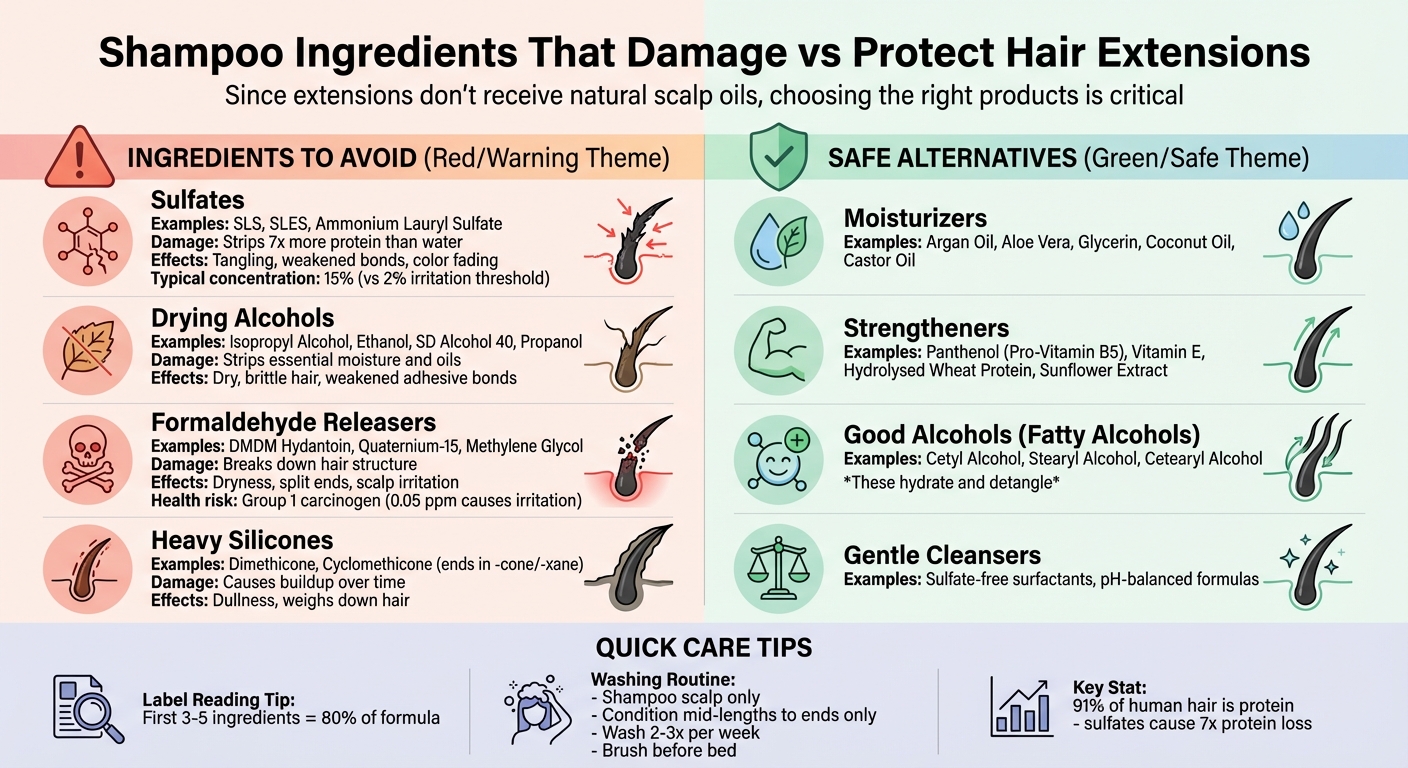
Harmful vs Safe Shampoo Ingredients for Hair Extensions
Shampoo Ingredients That Harm Hair Extensions
Not all shampoo ingredients are safe for hair extensions. In fact, some can cause serious damage, leaving your extensions dry, brittle, and prone to breakage. Here's a closer look at the worst offenders hiding in your hair care products.
Sulfates: Sodium Lauryl Sulfate and Sodium Laureth Sulfate
Sulfates are the ingredients responsible for that rich, foamy lather in shampoos. But for hair extensions, they can be a nightmare. These chemicals strip away the protective lipid layers that lock in moisture, leaving extensions vulnerable to dryness and damage. Since extensions don’t benefit from the scalp’s natural oils, this moisture loss is especially harmful.
A 2005 study revealed that sodium dodecyl sulphate causes hair to lose seven times more protein than water alone. Considering human hair is about 91% protein, this loss can quickly lead to breakage, split ends, and tangling. To make matters worse, most sulfate-based shampoos contain around 15% sulfate concentration - far exceeding the 2% level known to irritate skin.
Sulfates also speed up colour fading, roughen the hair cuticle (leading to tangling), and weaken the bonds in tape-in or keratin-bonded extensions, which can cause shedding.
"As extensions are technically 'dead' hair and are no longer connected to a follicle (the hair's natural oil source), sulfate shampoos should not be used. In fact, products which contain sulfates make our hair dry, straw-like and frizzy", says Carla Lawson, Founder and Hair Extension Specialist.
While sulfates are a major concern, preservatives like formaldehyde releasers are another ingredient to watch out for.
Formaldehyde Releasers: DMDM Hydantoin and Quaternium-15
Preservatives such as DMDM Hydantoin, Quaternium-15, and imidazolidinyl urea are common in shampoos, but they come with serious risks. These chemicals weaken hair structure, leading to dryness, split ends, and breakage, which ultimately shortens the lifespan of your extensions. The International Agency for Research on Cancer has even classified formaldehyde as a Group 1 carcinogen, with concentrations as low as 0.05 ppm causing skin irritation.
The problem worsens with heat styling. Knowing how to safely heat style hair extensions is crucial to prevent further chemical reactions. When exposed to heat from blow-dryers or flat irons, these preservatives can release formaldehyde gas, which is both harmful to your extensions and potentially hazardous to your health. A 2026 study found that 91% of tested hair extension samples contained at least one substance linked to cancer or reproductive harm.
"While Formaldehyde is used to smooth cuticles, it actually weakens the hair structure and increases breakage in the hair, resulting in a shorter life span", explains Prolonged Hair.
Beyond damaging your extensions, these preservatives can cause scalp irritation, including burning, blistering, and contact dermatitis. To avoid these risks, steer clear of products containing DMDM Hydantoin, Quaternium-15, imidazolidinyl urea, or their synonyms like Methylene Glycol and Formalin. Tools like the EWG Skin Deep® database can help you identify safer alternatives.
Next, let’s look at another group of ingredients that disrupt your hair’s moisture balance.
Drying Alcohols and Propylene Glycol
Drying alcohols, including Ethanol, Isopropyl Alcohol, Alcohol Denat, SD Alcohol 40, Propanol, and Lauryl Alcohol, are notorious for stripping extensions of their essential moisture and oils. Since extensions don’t receive natural sebum from the scalp, this can leave them dry, brittle, and prone to tangling and matting. These alcohols can also act as solvents, weakening or dissolving the adhesive bonds in tape-in extensions.
"Alcohol can destroy essential oils necessary for hair growth. They can also cause the hair extensions to become dry and brittle", warns Prue from Lady & the Hair Salon.
However, not all alcohols are bad. Fatty alcohols like Cetyl, Stearyl, and Cetearyl alcohol are actually beneficial, working as emollients to hydrate and detangle hair. To protect your extensions, choose products labelled as alcohol-free or ensure that drying alcohols aren’t listed among the first few ingredients.
sbb-itb-dcde78e
How to Read Shampoo Labels for Harmful Ingredients
Understanding shampoo labels is crucial when it comes to protecting your extensions. Thankfully, the INCI (International Nomenclature of Cosmetic Ingredients) system makes it easier to decode them. Ingredients are listed in descending order of concentration, meaning the first three to five ingredients account for roughly 80% of the formula. If harmful components like Sodium Lauryl Sulfate or Alcohol Denat appear in those top spots, they could pose a risk to your extensions.
Key Ingredients to Watch For
Identifying harmful ingredients is all about recognising common markers:
- Sulfates: Look for names like Sodium Lauryl Sulfate (SLS), Sodium Laureth Sulfate (SLES), or Ammonium Lauryl Sulfate . These can strip moisture and damage hair.
- Drying Alcohols: Watch for Alcohol Denat, Ethanol, SD Alcohol 40, Propanol, or Isopropyl Alcohol, which can dry out both natural hair and extensions , especially high-quality Russian or Mongolian hair .
- Silicones: These are easy to spot as they often end in "-cone" or "-xane", such as Dimethicone, Cyclomethicone, or Amodimethicone .
- Parabens: These preservatives always end in "-paraben" (e.g., Methylparaben, Propylparaben) .
- Formaldehyde Releasers: Names like DMDM Hydantoin, Quaternium-15, or Methylene Glycol indicate the presence of these harmful chemicals .
Be Wary of Marketing Claims
Front-of-bottle claims such as "natural" or "organic" can often be misleading. The real story lies in the ingredient list, usually found on the back of the bottle . Some manufacturers even place this list in less obvious spots, like the top or bottom of the packaging, so take the time to inspect the entire bottle.
Alcohols and Fragrances
Not all alcohols are bad. Drying alcohols, like Isopropyl and Propanol, can dehydrate hair, while fatty alcohols, such as Cetyl, Stearyl, and Cetearyl, actually help with hydration and detangling your extensions .
Fragrances are another tricky area. If you see "Fragrance" or "Parfum" on the label, it could indicate a mix of dozens of unlisted chemicals . A study from February 2026 revealed that over 90% of hair extensions sold in the U.S. contained chemicals linked to serious health concerns, including hormone disruption and cancer.
Safe Alternatives and Care Practices for Extensions
Taking care of hair extensions starts with avoiding harmful ingredients like sulfates and drying alcohols. Instead, opt for sulfate-free, pH-balanced shampoos enriched with moisturising agents such as glycerin, aloe vera, argan oil, coconut oil, or castor oil. These ingredients help keep extensions hydrated, compensating for the lack of natural scalp oils.
To protect extensions from external damage and maintain their softness, look for products with nutrient-rich additives. Panthenol (Pro-Vitamin B5), Vitamin E, and sunflower extract are excellent options. On the flip side, steer clear of products containing parabens or excessive amounts of protein and keratin, as these can make extensions brittle and hard to manage.
| Ingredient Type | Recommended Ingredients | Ingredients to Avoid |
|---|---|---|
| Moisturisers | Aloe Vera, Glycerin, Argan Oil, Coconut Oil | Silicones (can cause buildup/dullness) |
| Strengtheners | Panthenol, Vitamin E, Hydrolysed Wheat Protein | Excessive Keratin or Protein |
| Cleansers | Sulfate-free surfactants, Salicylic Acid (for scalp) | Sodium Lauryl Sulfate (SLS), Sodium Laureth Sulfate (SLES) |
| Preservative Choices | Natural alternatives | Parabens, Formaldehyde releasers |
Following these guidelines ensures your extensions stay in great condition. To complement this, Hair Wonderland offers specialised tools and products designed to protect your extensions.
Hair Wonderland Products for Extension Care
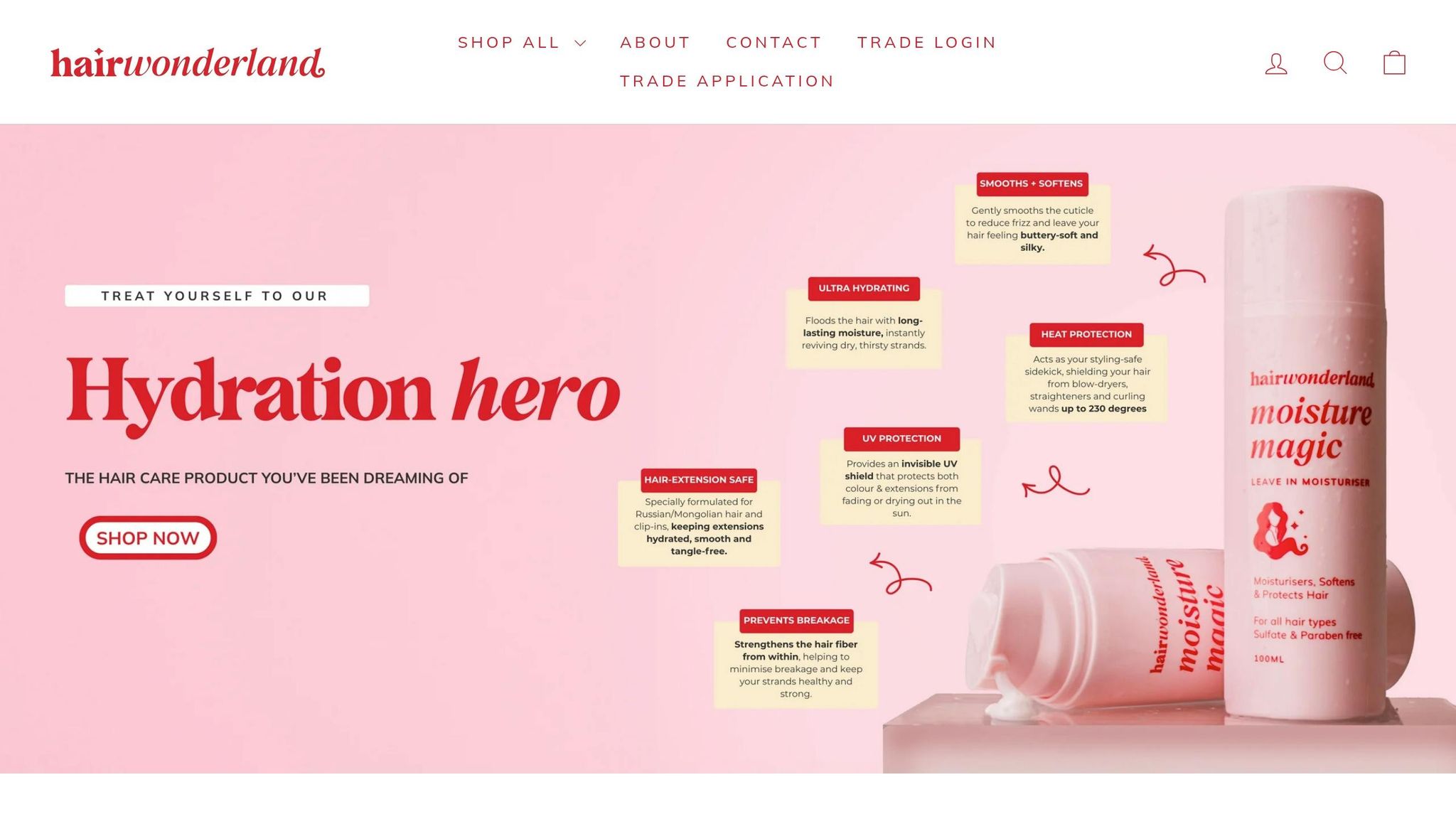
Hair Wonderland's Tangle Tamer Brush ($21.95) and The Detangle Brush ($29.95) are specifically designed to reduce breakage. For a seamless, natural look, their Seamless Set 22" extensions ($499.00) feature Invisi® weft technology for effortless blending.
Using the right brush is crucial for maintaining extensions. Brush your extensions before showering and twice daily - once in the morning and again at night - to prevent tangles and matting. Some brands, like Hair Wonderland, even require the use of their recommended products to validate warranties, so following their care instructions is essential.
Daily Care Tips for Extensions
In addition to using the right products, adopting proper daily habits is key to keeping your extensions looking their best. For washing, focus on applying shampoo to the scalp only. Gently massage it in and let the suds naturally rinse through the extensions - avoid rubbing them directly. When conditioning, stick to the mid-lengths and ends, steering clear of the bonds or tapes to prevent them from slipping.
Rinse your hair with warm water, then finish with a cool rinse to seal the cuticles and lock in moisture. After washing, gently pat your hair dry with a towel instead of rubbing it. Blow-dry on medium heat and never go to bed with wet hair, as this can lead to matting. Avoid products with high alcohol content, which can strip away moisture.
If you’re planning to swim, apply a leave-in conditioner or cream beforehand to shield your extensions from salt and chlorine. Make sure to wash your hair immediately afterwards. Lastly, professional in-salon maintenance every 5–6 weeks is a must. This helps to re-section your hair and prevent the weight of growing extensions from damaging your natural strands.
Conclusion
Taking care of your extensions starts with understanding what’s in your shampoo. Without natural scalp oils, extensions are especially prone to damage from harsh ingredients like sulfates, drying alcohols, formaldehyde releasers, and heavy silicones. These can strip away moisture, cause tangling, and even weaken the bonds holding your extensions in place.
To keep your extensions in top condition, look for shampoos that are sulphate-free, pH-balanced, and enriched with hydrating ingredients like argan oil, aloe vera, or glycerin. Pair this with proper washing habits - focus shampoo on the scalp and use conditioner only on the mid-lengths and ends - to protect both your extensions and their bonds.
Products like Hair Wonderland’s Moisture Magic shampoo and the Tangle Tamer brush are specifically designed for premium Remy European extensions. Stick to washing your hair just 2–3 times a week, brush it out before bed, and book professional maintenance every 5–6 weeks using a hair extension maintenance planner. These steps will help keep your extensions feeling soft, looking full, and staying fresh for months.
FAQs
What shampoo pH is best for hair extensions?
The optimal pH level for shampoos used on hair extensions falls between 4.5 and 5.5. Staying within this range helps preserve the health of both your natural hair and the extensions. It keeps the cuticle smooth, promoting shine while minimising potential damage.
Can I use clarifying shampoo on extensions?
Using clarifying shampoo on extensions can help remove product buildup, but it should be used sparingly. Some clarifying shampoos contain harsh ingredients that might damage the extensions if overused. Stick to occasional deep cleansing and always follow up with a moisturising conditioner to keep your extensions healthy and lasting longer.
How can I tell if an alcohol on a label is drying or moisturising?
When scanning ingredient labels, pay attention to the type of alcohol included. Drying alcohols - like Alcohol Denat, Ethanol, or Isopropyl - are short-chain alcohols. These evaporate quickly and can strip moisture, leaving hair feeling dry. On the other hand, moisturising alcohols - such as Cetyl or Stearyl alcohol - are long-chain fatty alcohols that help to hydrate and soften hair. A quick look at the name can often reveal whether the alcohol is short-chain (drying) or long-chain (moisturising).